This Is How I Met Mark Myles
I’ll be honest.
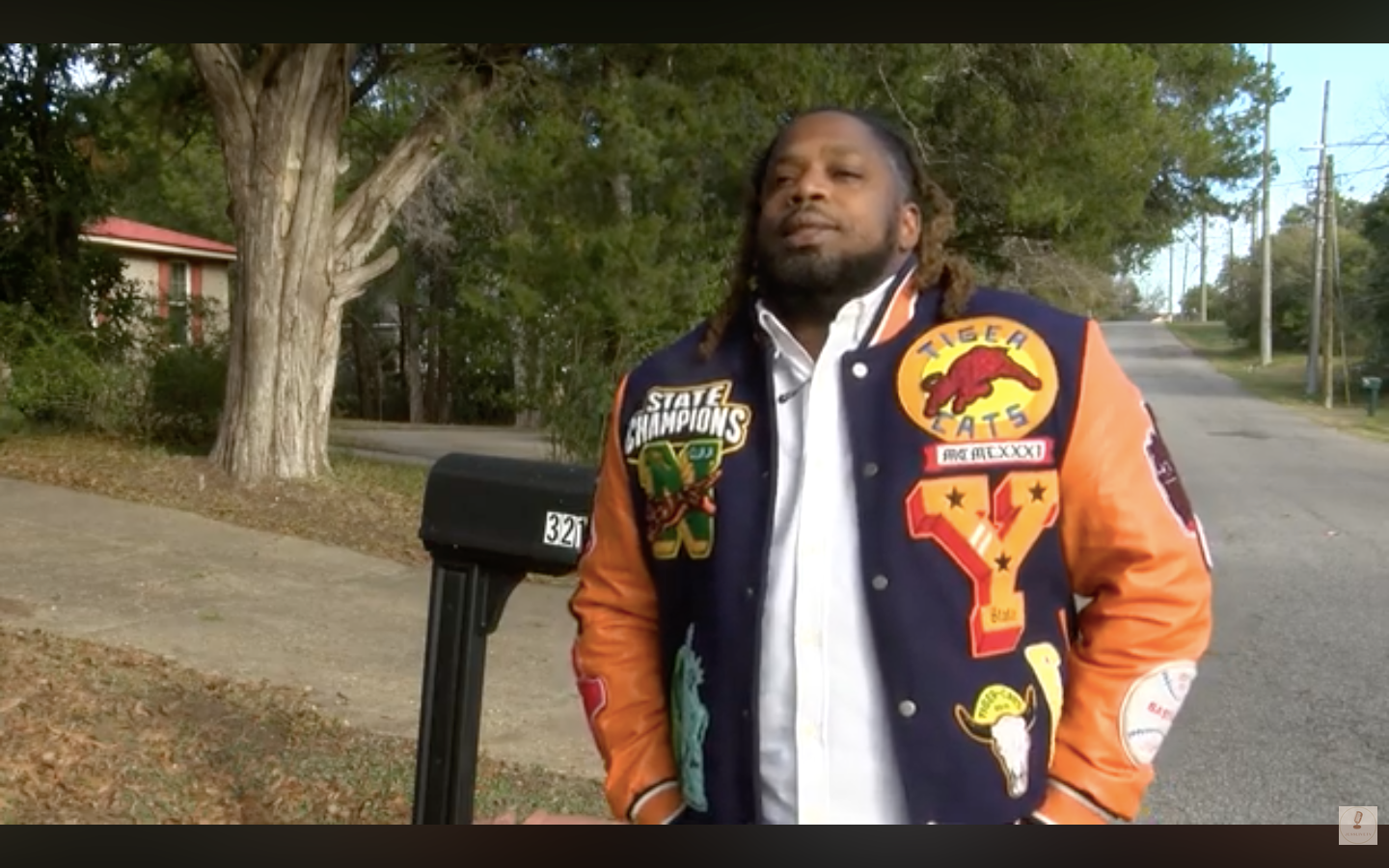
When I first met Mark Myles, I didn’t fully understand who he was.
I didn’t know I was standing in front of a Selma legend. I didn’t know I was interviewing someone whose name would mean so much to so many people. And I hate to admit it, but it took his passing for me to realize just how special that moment was.
I wish I had published this interview sooner.
But I’m publishing it now — completely unedited.
Not because it’s perfect.
Honestly, most of it is bloopers. There are moments where he laughs, stumbles over a question, or starts over. But that’s exactly why I wanted to share it.
Because I want his voice to be heard one more time.
I want his laugh to live on.
I want people to see his personality — not just his name in a headline, not just a tribute post after tragedy, but the real Mark Myles.
The Week Before 2026
I shot this interview during the week leading up to the New Year in 2026.
A time when most people were focused on resolutions, celebrations, and fresh starts…
Mark was focused on Selma.
In the video, you’ll notice something powerful: he may mess up on the small stuff — a question here, a phrase there — but when the conversation turns to his mission, he stands tall.
He becomes firm.
Because this wasn’t small to him.
This wasn’t just another interview.
This was life and death.
A Mission Bigger Than Himself
The interview was about Selma’s rising crime rate and what the community could do to stop the violence.
Mark Myles was serious about change.
He wasn’t interested in empty conversations. He wasn’t performing activism. He was doing the work — pushing for peace, pushing for accountability, pushing for hope in a city that has carried both history and heartbreak.
He cared deeply about Selma.
And Selma cared deeply about him.
After his death, I had the opportunity to cover his legacy through my work in news, and I heard person after person speak highly of the impact he made.
That’s when it hit me:
I didn’t just interview a man.
I met a movement.
A Painful Reality
As I began editing this video, I realized something even heavier.
Mark talked about a future where Selma could reach zero homicides.
He spoke that into existence.
And yet… to know that he became the second homicide victim in Selma in 2026 is more than heartbreaking.
It is unacceptable.
It is a reflection of a deeper issue.
The Black community has a problem — not because we are broken, but because we are being lost at alarming rates.
We are losing Black men.
We are losing leaders.
We are losing voices that are trying to pull us forward.
And if we don’t confront this crisis with honesty and action, we will continue to attend funerals instead of celebrating futures.
No One Is Coming to Save Us
That is the part that keeps ringing in my spirit.
No one is coming to save us.
We have to save us.
We have to protect our communities.
We have to pour into our young men.
We have to stop normalizing violence.
We have to stop waiting until someone dies to call them a legend.
We have to do the work now.
A Question for All of Us
I want to end with a phrase from Hillel the Elder, written in Pirkei Avot:
“If I am not for myself, who will be for me?
And if I am only for myself, what am I?
And if not now, when?”
Selma lost a legend.
But the mission cannot die with him.
Mark Myles believed in a better community.
Now the question is:
Do we?
Rest in power, Mark Myles. Thank you for your voice. Thank you for your work. Thank you for your fight.